
The High Frequency Ceramic Series has become a fundamental material solution in advanced RF (radio frequency) and microwave applications. As global industries move toward faster communication systems, higher signal integrity, and more compact electronic designs, ceramic-based high-frequency components play a critical role in ensuring stable performance under demanding conditions. This article explores the structure, properties, applications, and engineering value of High Frequency Ceramic Series materials, while also addressing common challenges faced by designers and procurement specialists. It provides a comprehensive understanding of why these materials are essential in telecommunications, automotive electronics, aerospace systems, and IoT devices. In addition, practical selection guidance and industry insights are included to support informed decision-making.
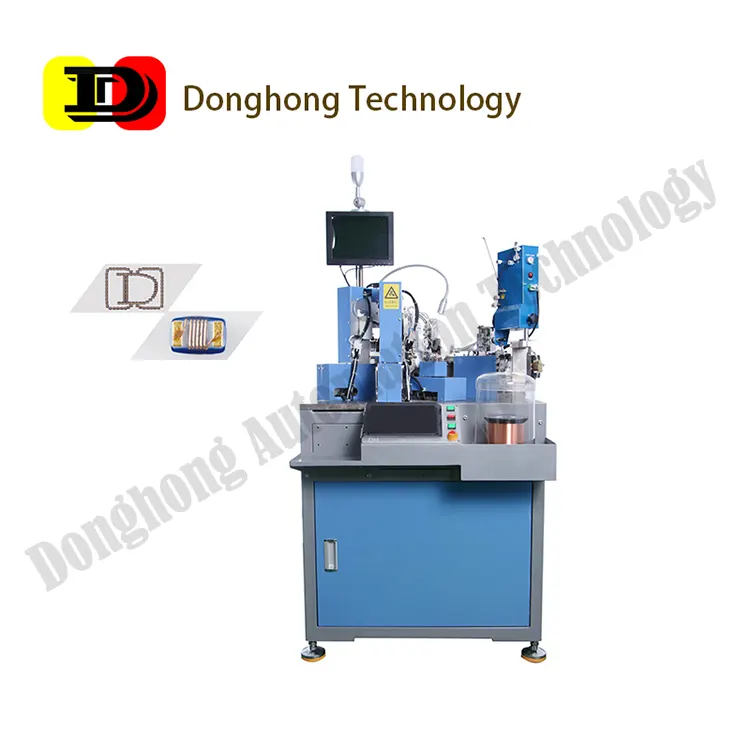
Table of Contents
- Article Outline
- 1. Introduction to High Frequency Ceramic Series
- 2. What Is High Frequency Ceramic Series?
- 3. Materials and Manufacturing Process
- 4. Performance Characteristics
- 5. Applications Across Industries
- 6. Engineering Benefits and Design Value
- 7. Common Challenges and Practical Solutions
- 8. Material and Performance Comparison
- 9. Selection Guide for Engineers
- 10. Reliability and Lifecycle Considerations
- 11. Industry Trends and Future Development
- 12. Industrial Solutions by Dongguan Donghong Automation Technology Co., Ltd.
- 13. Frequently Asked Questions
- 14. Conclusion and Technical Insights
Article Outline
This article is structured to guide readers from fundamental concepts to advanced industrial applications of High Frequency Ceramic Series materials. It begins with definitions and progresses into technical characteristics, followed by application scenarios and engineering benefits. It then addresses real-world challenges and provides practical solutions. A comparative table and selection guide help simplify decision-making, while industry trends highlight future development directions. Finally, a dedicated section introduces industrial solutions from Dongguan Donghong Automation Technology Co., Ltd., followed by an FAQ and conclusion.
1. Introduction to High Frequency Ceramic Series
The rapid evolution of wireless communication systems, radar technologies, and high-speed data transmission has created increasing demand for materials that can operate efficiently at high frequencies. Traditional materials often fail to maintain signal stability, dielectric consistency, and thermal reliability under such conditions. This is where the High Frequency Ceramic Series becomes indispensable.
These ceramic materials are engineered specifically to minimize energy loss, maintain dielectric stability, and support miniaturized electronic components. From 5G base stations to satellite communication systems, their presence is deeply embedded in modern electronic infrastructure.
2. What Is High Frequency Ceramic Series?
The High Frequency Ceramic Series refers to a class of advanced ceramic materials designed for use in RF and microwave frequency ranges. These ceramics are formulated with controlled dielectric constants, low loss tangents, and high thermal stability. They are widely used in filters, resonators, antennas, and multilayer ceramic components.
Key characteristics include:
- Low dielectric loss for efficient signal transmission
- Stable performance across temperature variations
- High mechanical strength and durability
- Compatibility with multilayer electronic structures
3. Materials and Manufacturing Process
The performance of High Frequency Ceramic Series materials depends heavily on raw material composition and precision manufacturing techniques. Typically, these ceramics are composed of titanium-based, zirconium-based, or composite oxide materials.
Manufacturing steps include:
- Powder preparation and material blending
- Ball milling for uniform particle distribution
- Pressing and shaping under controlled pressure
- High-temperature sintering
- Precision machining and surface finishing
Each step directly impacts dielectric performance and signal integrity. Even minor variations in composition or sintering temperature can significantly alter frequency behavior.
4. Performance Characteristics
High Frequency Ceramic Series materials are valued for their unique electrical and physical properties that make them suitable for high-demand environments.
- Dielectric Constant Stability: Ensures predictable signal behavior.
- Low Signal Loss: Reduces energy dissipation during transmission.
- Thermal Resistance: Maintains performance in extreme temperatures.
- Frequency Precision: Supports accurate resonance in RF circuits.
These properties are essential for ensuring reliability in systems where even minor signal distortion can lead to performance failure.
5. Applications Across Industries
The versatility of High Frequency Ceramic Series materials allows them to be used across multiple high-tech industries.
- 5G communication base stations
- Satellite communication systems
- Automotive radar and ADAS systems
- Aerospace and defense electronics
- IoT communication modules
- Medical imaging and diagnostic equipment
In each of these sectors, signal integrity and reliability are critical, making ceramic-based high-frequency components a preferred choice.
6. Engineering Benefits and Design Value
From an engineering perspective, High Frequency Ceramic Series materials offer significant advantages in design flexibility and performance optimization.
- Supports miniaturization of electronic devices
- Enhances circuit integration density
- Improves long-term operational stability
- Reduces electromagnetic interference
These benefits enable engineers to design more compact, efficient, and high-performance electronic systems.
7. Common Challenges and Practical Solutions
Despite their advantages, engineers often face challenges when working with high-frequency ceramic materials.
Common issues include:
- Material brittleness during machining
- Complex thermal management requirements
- Cost constraints in mass production
- Strict tolerances for frequency tuning
Solutions:
- Use precision CNC and laser machining
- Optimize thermal design early in development
- Select material grades based on application frequency
- Partner with experienced manufacturing suppliers
8. Material and Performance Comparison
| Material Type | Dielectric Loss | Thermal Stability | Application Suitability |
|---|---|---|---|
| High Frequency Ceramic Series | Very Low | Excellent | 5G, RF, Microwave Systems |
| Standard Ceramic Materials | Medium | Moderate | General Electronics |
| Polymer-Based Materials | High | Low | Low-Frequency Applications |
9. Selection Guide for Engineers
Selecting the right High Frequency Ceramic Series material requires careful consideration of multiple factors.
- Operating frequency range
- Dielectric constant requirements
- Thermal environment conditions
- Mechanical stress tolerance
- Cost-performance balance
A well-structured selection process ensures optimal performance and reduces long-term maintenance costs.
10. Reliability and Lifecycle Considerations
Reliability is a core advantage of High Frequency Ceramic Series materials. When properly designed and manufactured, these materials offer long operational lifespans even in extreme environments.
Factors influencing lifecycle performance include:
- Material purity
- Sintering temperature control
- Environmental exposure conditions
- Mechanical stress distribution
11. Industry Trends and Future Development
The demand for high-frequency ceramic materials continues to grow as global communication networks expand. Future developments are focused on improving miniaturization, reducing loss factors, and enhancing integration with semiconductor technologies.
Emerging trends include:
- Integration with 6G communication systems
- Advanced multilayer ceramic structures
- AI-assisted material design optimization
- Eco-friendly manufacturing processes
12. Industrial Solutions by Dongguan Donghong Automation Technology Co., Ltd.
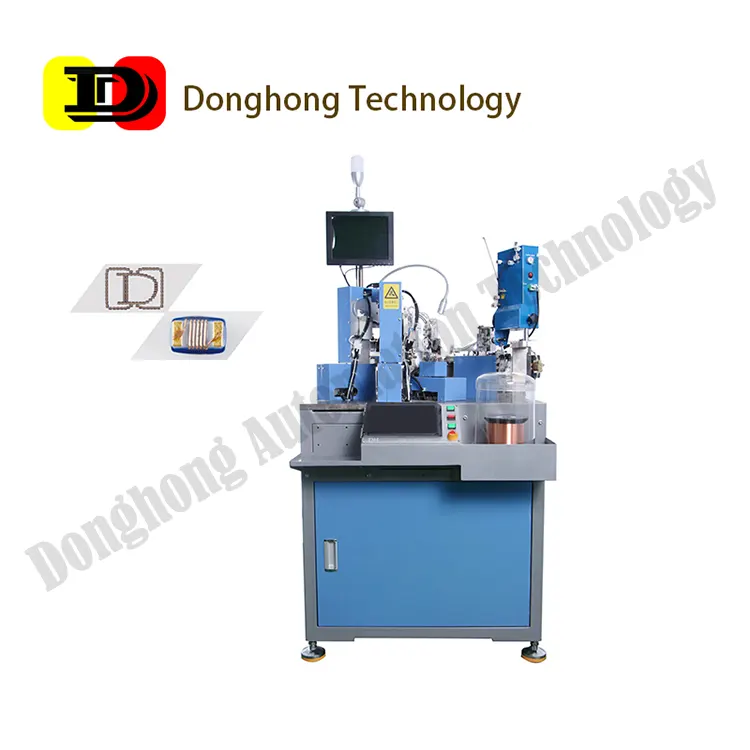
Dongguan Donghong Automation Technology Co., Ltd. provides advanced manufacturing and automation solutions supporting the production of high-frequency ceramic components. With a strong focus on precision engineering, material consistency, and process optimization, the company plays a key role in supporting industries that rely on stable RF and microwave performance.
Their expertise ensures that High Frequency Ceramic Series components meet strict industrial standards for communication systems, automotive electronics, and high-end industrial applications. Through continuous innovation and quality control, they contribute to improving production efficiency and product reliability.
13. Frequently Asked Questions
Q1: What makes High Frequency Ceramic Series materials different from standard ceramics?
They are engineered for low dielectric loss and high-frequency stability, making them suitable for RF and microwave applications.
Q2: Are these materials suitable for automotive radar systems?
Yes, they are widely used in ADAS and radar systems due to their stability and precision.
Q3: What industries benefit most from these materials?
Telecommunications, aerospace, automotive, IoT, and medical industries benefit significantly.
Q4: Can these ceramics withstand harsh environments?
Yes, they offer excellent thermal and mechanical stability in demanding conditions.
Q5: How do I choose the right grade?
Selection depends on frequency range, dielectric requirements, and environmental conditions.
14. Conclusion and Technical Insights
The High Frequency Ceramic Series represents a cornerstone technology in modern electronic and communication systems. Its ability to deliver stable, low-loss, and high-precision performance makes it indispensable for next-generation innovations. As industries continue to evolve toward faster and more integrated systems, the importance of these materials will only increase.
For companies seeking reliable manufacturing support and high-quality solutions in this field, Dongguan Donghong Automation Technology Co., Ltd. provides the technical expertise and production capabilities needed to meet demanding industrial requirements.
For more information or customized solutions, feel free to contact us and explore how we can support your next project.