
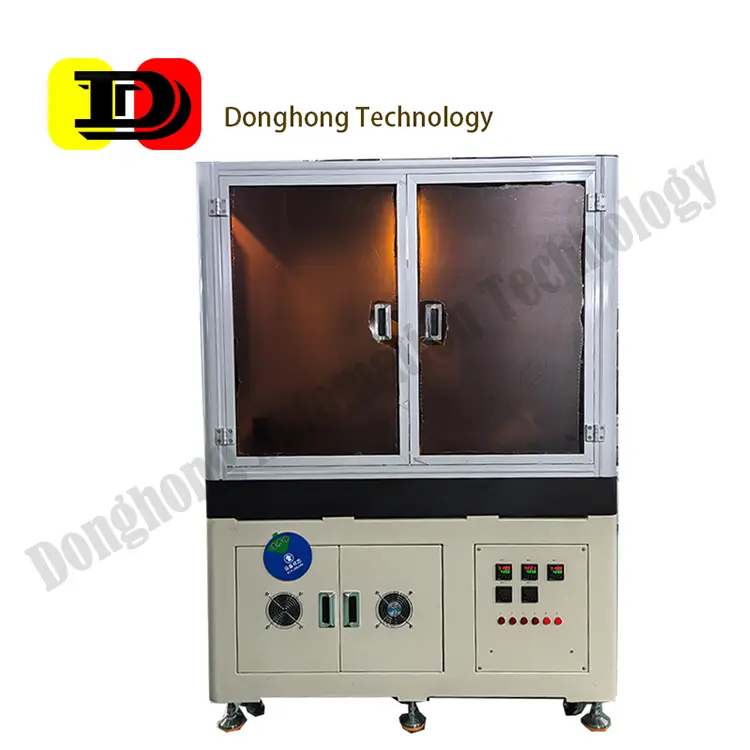
The rapid evolution of electronics manufacturing has placed unprecedented pressure on production lines to achieve higher precision, faster throughput, and more stable quality control. Traditional soldering methods often struggle with miniaturized inductors, magnetic adhesive components, and high-density PCB layouts. The NR Magnetic Adhesive Inductor Robotic Soldering Machine emerges as a critical solution designed to address these challenges through automation, intelligent temperature control, and high-accuracy robotic positioning. This article explores its working principles, core advantages, industrial applications, and practical implementation strategies to help manufacturers optimize production efficiency while reducing defect rates and operational costs.
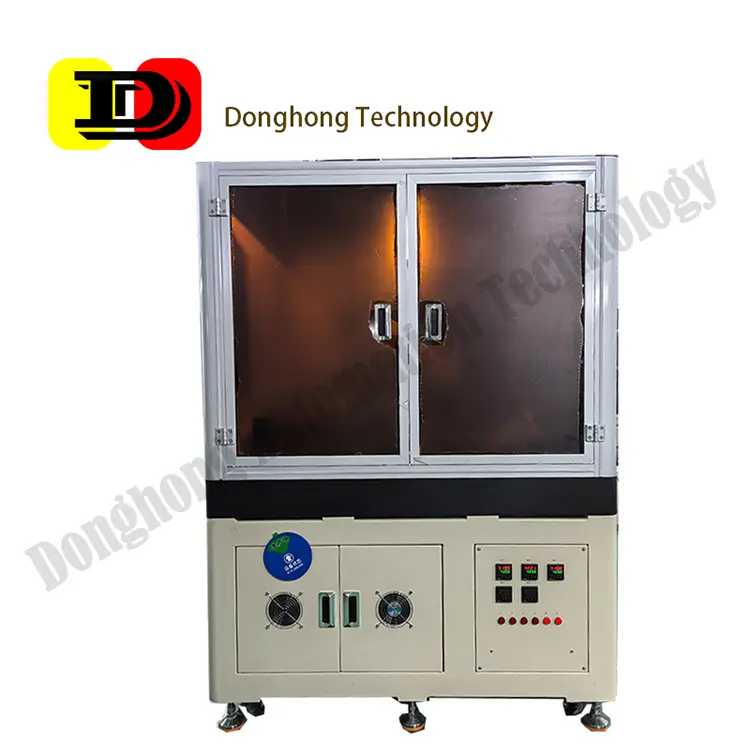
Table of Contents
- 1. Introduction: The Rise of Intelligent Soldering Systems
- 2. What is the NR Magnetic Adhesive Inductor Robotic Soldering Machine?
- 3. Working Principle Explained
- 4. Core Components and System Architecture
- 5. Manufacturing Pain Points Solved
- 6. Key Benefits and Competitive Advantages
- 7. Industrial Applications
- 8. Production Workflow Integration
- 9. Traditional vs Robotic Soldering Comparison
- 10. Selection Guide for Manufacturers
- 11. Maintenance and Troubleshooting
- 12. Future Trends in Robotic Soldering
- 13. Conclusion
- 14. Manufacturer Information & Contact
1. Introduction: The Rise of Intelligent Soldering Systems
Modern electronics manufacturing is undergoing a structural transformation driven by miniaturization, high-density integration, and demand for zero-defect production. Components such as inductors with magnetic adhesive structures require extremely stable thermal control and precise solder placement. Manual soldering can no longer meet these expectations due to inconsistencies in human operation, fatigue factors, and limited precision.
As a result, robotic soldering systems have become a cornerstone of smart factories. Among them, the NR Magnetic Adhesive Inductor Robotic Soldering Machine represents a specialized advancement tailored for inductive components and magnetic adhesive assemblies. It combines robotics, precision thermal systems, and intelligent motion control to deliver repeatable, high-quality solder joints in demanding production environments.
2. What is the NR Magnetic Adhesive Inductor Robotic Soldering Machine?
The NR Magnetic Adhesive Inductor Robotic Soldering Machine is an automated soldering system designed specifically for inductors and magnetic adhesive electronic assemblies. It integrates robotic arms, precision soldering heads, vision alignment systems, and programmable logic controllers to ensure highly accurate soldering operations.
Unlike general-purpose soldering equipment, this machine is optimized for components requiring:
- High thermal sensitivity control
- Micro-scale solder joint precision
- Magnetic adhesive stability during processing
- Consistent production across large batches
Its adaptive control system allows it to adjust temperature, solder flow, and positioning in real time, making it suitable for advanced PCB manufacturing environments.
3. Working Principle Explained
The system operates through a coordinated sequence of mechanical motion, thermal regulation, and visual recognition.
First, the vision system identifies the exact soldering position on the PCB. Then, the robotic arm aligns the soldering tip with micron-level precision. The soldering head heats to a pre-programmed temperature, ensuring optimal solder melting without damaging sensitive magnetic adhesive materials.
The process can be summarized into four stages:
- Detection: High-resolution imaging locates solder points.
- Alignment: Robotic positioning ensures exact placement.
- Heating: Controlled thermal delivery melts solder material.
- Solidification: Rapid cooling stabilizes joint integrity.
4. Core Components and System Architecture
The machine is composed of multiple integrated subsystems working in synchronization:
- Robotic Arm System: Provides multi-axis movement and positioning accuracy.
- Magnetic Adhesive Fixture Platform: Stabilizes inductors during soldering.
- Vision Recognition Module: Enhances alignment precision through optical scanning.
- Soldering Control Unit: Regulates temperature and solder flow rate.
- PLC Control System: Coordinates all operational logic and automation sequences.
These components ensure a stable, repeatable, and highly efficient production process suitable for high-volume manufacturing environments.
5. Manufacturing Pain Points Solved
Electronics manufacturers often face significant challenges when working with inductors and adhesive-mounted components.
- Inconsistent solder joint quality in manual operations
- High defect rates due to overheating or misalignment
- Low production efficiency in high-volume orders
- Operator fatigue leading to variability
- Difficulties handling magnetic adhesive materials
The NR Magnetic Adhesive Inductor Robotic Soldering Machine directly addresses these issues by standardizing every soldering cycle and eliminating human inconsistency from the process.
6. Key Benefits and Competitive Advantages
The adoption of this robotic system brings multiple measurable improvements to production environments:
- Improved soldering precision up to micron-level accuracy
- Reduced defect rates and rework costs
- Higher production throughput
- Stable quality across long production cycles
- Lower labor dependency and operational risk
The combination of automation and intelligent control makes it a long-term investment for manufacturers seeking scalable production efficiency.
| Aspect | Manual Soldering | Robotic Soldering Machine |
|---|---|---|
| Precision | Operator-dependent | High consistency |
| Speed | Moderate | High throughput |
| Defect Rate | Higher variability | Minimized errors |
| Labor Cost | High | Reduced |
| Scalability | Limited | Highly scalable |
7. Industrial Applications
The NR Magnetic Adhesive Inductor Robotic Soldering Machine is widely used in industries requiring high-reliability electronic components:
- Consumer electronics manufacturing
- Automotive electronics systems
- Telecommunication equipment production
- Industrial control systems
- Power supply module assembly
Its versatility allows it to adapt to various PCB designs and production scales, making it suitable for both mass production and specialized manufacturing.
8. Production Workflow Integration
Integrating the robotic soldering machine into an existing production line is straightforward. It typically follows a structured workflow:
- PCB loading into fixture system
- Automatic component alignment via vision system
- Program selection based on product type
- Automated soldering execution
- Quality inspection and output sorting
This seamless integration allows manufacturers to upgrade existing lines without major restructuring.
9. Traditional vs Robotic Soldering Comparison
Understanding the difference between manual and robotic soldering highlights the importance of automation in modern production.
- Manual soldering relies heavily on operator skill, while robotic systems ensure consistency.
- Traditional methods are slower and less scalable compared to automated systems.
- Robotic soldering reduces long-term operational costs despite higher initial investment.
Overall, automation provides a more stable foundation for high-tech manufacturing industries.
10. Selection Guide for Manufacturers
When selecting a robotic soldering system, manufacturers should consider several key factors:
- Component complexity and size
- Required production volume
- Precision tolerance levels
- System compatibility with existing production lines
- After-sales technical support
Choosing the right configuration ensures maximum return on investment and long-term production stability.
11. Maintenance and Troubleshooting
Regular maintenance ensures long-term performance and stability of the system. Recommended practices include:
- Cleaning soldering tips regularly
- Calibrating vision systems periodically
- Checking robotic arm alignment
- Updating control software
- Inspecting heating elements for wear
Proper maintenance reduces downtime and ensures consistent production quality.
12. Future Trends in Robotic Soldering
The future of robotic soldering is moving toward higher intelligence, real-time adaptive control, and integration with smart factory ecosystems. Emerging trends include AI-based defect detection, predictive maintenance systems, and fully autonomous production lines.
As electronics continue to shrink in size while increasing in complexity, machines like the NR Magnetic Adhesive Inductor Robotic Soldering Machine will play an increasingly critical role in ensuring manufacturing precision and efficiency.
13. Conclusion
The NR Magnetic Adhesive Inductor Robotic Soldering Machine represents a significant step forward in automated electronics manufacturing. By combining precision robotics, intelligent control systems, and specialized design for magnetic adhesive inductors, it effectively resolves key production challenges such as inconsistency, inefficiency, and defect rates.
Manufacturers adopting this technology position themselves for higher productivity, improved product quality, and stronger competitiveness in a rapidly evolving industry landscape.
14. Manufacturer Information & Contact
For companies seeking reliable automation solutions and advanced soldering systems, professional manufacturing support is essential to ensure optimal system integration and long-term performance.
Dongguan Donghong Automation Technology Co., Ltd. is committed to delivering high-quality automation equipment tailored for modern electronics manufacturing needs, including advanced robotic soldering systems designed for precision and efficiency.
If you are looking to upgrade your production line or explore customized soldering automation solutions, please feel free to contact us for more detailed technical consultation, product specifications, and cooperation opportunities. Our engineering team is ready to support your manufacturing goals with reliable and innovative automation technology.