
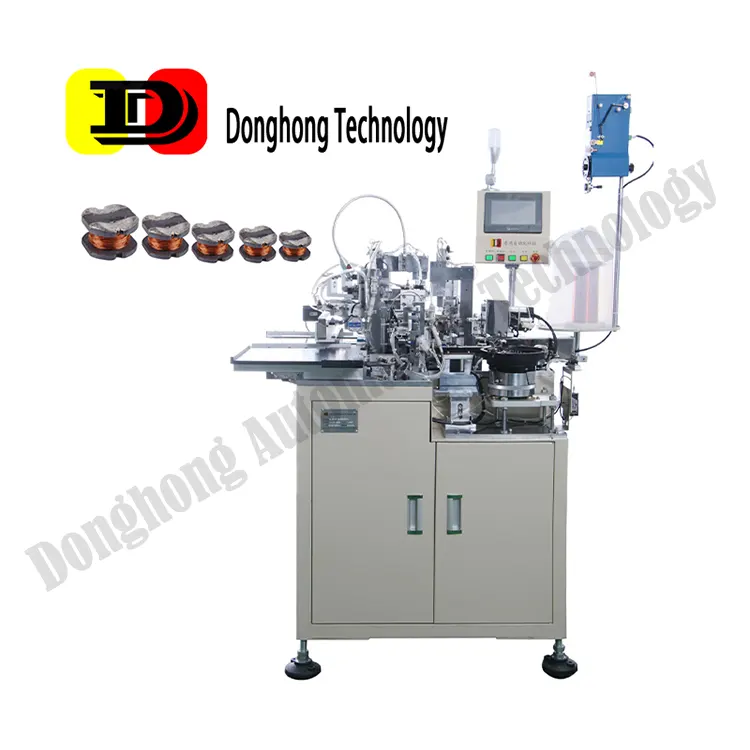
SMD Inductors CD Series are widely used in modern electronic systems where compact size, high efficiency, and stable performance are essential. As electronic devices continue to evolve toward higher power density and smaller footprints, engineers face increasing challenges in managing noise, energy loss, and electromagnetic interference. This article provides a comprehensive exploration of the SMD Inductors CD Series, explaining their structure, working principles, performance advantages, and real-world applications. It also addresses common design challenges, selection criteria, installation practices, and reliability considerations. By the end, readers will gain a practical understanding of how these inductors contribute to stable circuit performance and long-term product durability across industries such as consumer electronics, automotive systems, telecommunications, and industrial automation.
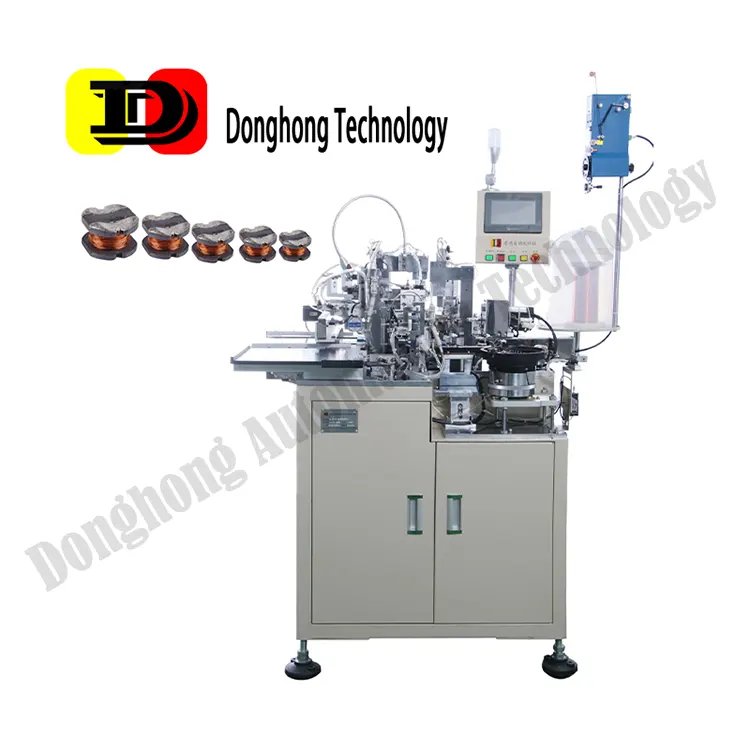
Table of Contents
- 1. Introduction to SMD Inductors CD Series
- 2. What Are SMD Inductors CD Series?
- 3. Key Features and Benefits
- 4. How SMD Inductors CD Series Work
- 5. Application Areas Across Industries
- 6. Engineering Challenges and Pain Points Solved
- 7. Selection Guide and Specification Table
- 8. Comparison with Other Inductor Types
- 9. Installation and Soldering Guidelines
- 10. Reliability and Quality Considerations
- 11. Industry Trends and Future Development
- 12. Manufacturing Excellence and Contact Information
- 13. Frequently Asked Questions
1. Introduction to SMD Inductors CD Series
In modern electronics, miniaturization and performance optimization are two dominant trends. Devices such as smartphones, smart wearables, electric vehicles, and industrial controllers require components that can operate reliably in compact spaces while maintaining electrical stability. SMD Inductors CD Series have emerged as a critical solution in this landscape. They are designed to deliver high inductance stability, low resistance loss, and excellent thermal performance.
Unlike traditional through-hole inductors, SMD (Surface Mount Device) inductors are mounted directly onto printed circuit boards (PCBs), enabling higher component density and automated assembly. The CD Series specifically focuses on optimized magnetic core design and enhanced current handling capacity, making them suitable for demanding electronic environments.
2. What Are SMD Inductors CD Series?
SMD Inductors CD Series are surface-mounted passive electronic components that store energy in a magnetic field when electrical current passes through them. They are commonly used for filtering, energy storage, and noise suppression in electronic circuits.
Key structural elements include:
- Magnetic Core: Enhances inductance and energy storage capacity
- Copper Winding: Conducts electrical current with minimal resistance
- Encapsulation Material: Provides mechanical stability and insulation
- SMD Terminals: Allow direct PCB mounting
The CD Series is particularly known for its balance between size and performance, making it a preferred choice in high-density circuit designs.
3. Key Features and Benefits
SMD Inductors CD Series offer several advantages that directly address common engineering challenges in circuit design.
- Compact Size: Ideal for miniaturized electronic devices
- High Current Capability: Supports power-intensive applications
- Low DC Resistance (DCR): Reduces energy loss and heat generation
- Excellent Thermal Stability: Maintains performance under temperature fluctuations
- Strong EMI Suppression: Minimizes electromagnetic interference
- Automated Assembly Compatibility: Suitable for mass production
These features collectively improve circuit efficiency and product reliability, especially in high-frequency switching environments.
4. How SMD Inductors CD Series Work
The working principle of SMD inductors is based on electromagnetic induction. When current flows through the copper winding, it generates a magnetic field around the core. This magnetic field stores energy temporarily and resists changes in current flow.
This behavior is essential in applications such as DC-DC converters, where voltage stability is required. The inductor smooths current fluctuations, reducing ripple and ensuring consistent power delivery.
In the CD Series, improved core materials enhance magnetic permeability, allowing more efficient energy storage and faster response to electrical changes.
5. Application Areas Across Industries
SMD Inductors CD Series are used in a wide range of industries due to their versatility and reliability.
- Consumer Electronics: Smartphones, tablets, laptops
- Automotive Electronics: ECU systems, EV power management
- Telecommunications: Signal filtering in base stations and routers
- Industrial Automation: PLC systems, sensors, control modules
- Medical Equipment: Diagnostic and imaging devices
In each of these applications, stable inductance and low power loss are critical for maintaining system reliability.
6. Engineering Challenges and Pain Points Solved
Modern circuit designers often encounter several challenges, including thermal overload, signal noise, and limited PCB space. SMD Inductors CD Series address these issues effectively.
- Space Constraints: Compact footprint enables high-density PCB layouts
- Heat Dissipation: Optimized core reduces thermal accumulation
- Signal Distortion: Improved EMI suppression ensures clean signal transmission
- Power Efficiency: Low resistance minimizes energy waste
These improvements directly translate into better device performance and longer operational life.
7. Selection Guide and Specification Table
| Parameter | Low Power Applications | Medium Power Applications | High Power Applications |
|---|---|---|---|
| Inductance Range | 1–10 µH | 10–47 µH | 47–100 µH+ |
| Current Rating | 0.5–2 A | 2–5 A | 5–15 A |
| DCR | Low | Very Low | Ultra Low |
| Application | Wearables | Consumer Devices | Automotive / Industrial |
8. Comparison with Other Inductor Types
| Feature | SMD CD Series | Through-Hole Inductors | Ferrite Bead |
|---|---|---|---|
| Size | Compact | Large | Very Small |
| Power Handling | High | Very High | Low |
| Assembly | Automated | Manual | Automated |
| EMI Filtering | Excellent | Good | Moderate |
9. Installation and Soldering Guidelines
Proper installation ensures optimal performance of SMD Inductors CD Series. Manufacturers typically recommend reflow soldering processes for best results.
- Maintain correct solder paste thickness
- Use controlled temperature profiles
- Avoid excessive mechanical stress during placement
- Ensure PCB pad alignment accuracy
Improper installation may lead to performance degradation or mechanical failure under vibration conditions.
10. Reliability and Quality Considerations
Reliability is a critical factor in industrial and automotive applications. SMD Inductors CD Series undergo strict quality control processes including thermal cycling tests, vibration tests, and load endurance evaluations.
Key reliability factors include:
- Temperature resistance range
- Magnetic saturation stability
- Long-term current endurance
- Mechanical robustness
11. Industry Trends and Future Development
With the rise of electric vehicles, 5G communication, and IoT devices, demand for high-performance inductors continues to grow. Future SMD Inductors CD Series designs are expected to focus on:
- Higher energy density
- Smaller footprint designs
- Improved thermal resistance
- Enhanced high-frequency performance
These advancements will further expand their role in next-generation electronics.
12. Manufacturing Excellence and Contact Information
High-quality production processes play a key role in ensuring the reliability of SMD Inductors CD Series. Advanced automation, precision winding technology, and strict testing standards are essential for consistent performance.
Dongguan Donghong Automation Technology Co., Ltd. is committed to delivering high-quality electronic components designed to meet modern industrial demands. With advanced manufacturing capabilities and strict quality control systems, the company supports customers across global markets.
If you are looking for customized solutions or technical support for SMD Inductors CD Series, contact us at Dongguan Donghong Automation Technology Co., Ltd. to explore professional cooperation opportunities and product customization services tailored to your project requirements.
13. Frequently Asked Questions (FAQ)
Q1: What is the main function of SMD Inductors CD Series?
They are used to store energy in magnetic fields and filter electrical signals in circuits.
Q2: Are they suitable for high-power applications?
Yes, many CD Series models support medium to high current levels suitable for industrial and automotive systems.
Q3: What makes them different from standard inductors?
Their compact SMD structure, improved thermal performance, and low resistance make them more suitable for modern PCB designs.
Q4: Can they be used in high-frequency circuits?
Yes, they are optimized for stable operation in high-frequency switching power supplies and RF circuits.
Q5: How do I choose the right model?
Selection depends on inductance value, current rating, and application environment.
SMD Inductors CD Series continue to play a foundational role in modern electronics, offering the balance between efficiency, size, and reliability that engineers require in increasingly complex systems. As industries evolve, their importance will only continue to grow, supporting innovation across countless applications.