
In today’s rapidly evolving electronics and power industry, the demand for high-precision inductors continues to grow. Among them, NR inductors are widely used in power supplies, automotive electronics, communication devices, and industrial systems. However, traditional manual winding methods struggle to meet the requirements of high consistency, low defect rates, and large-scale production.
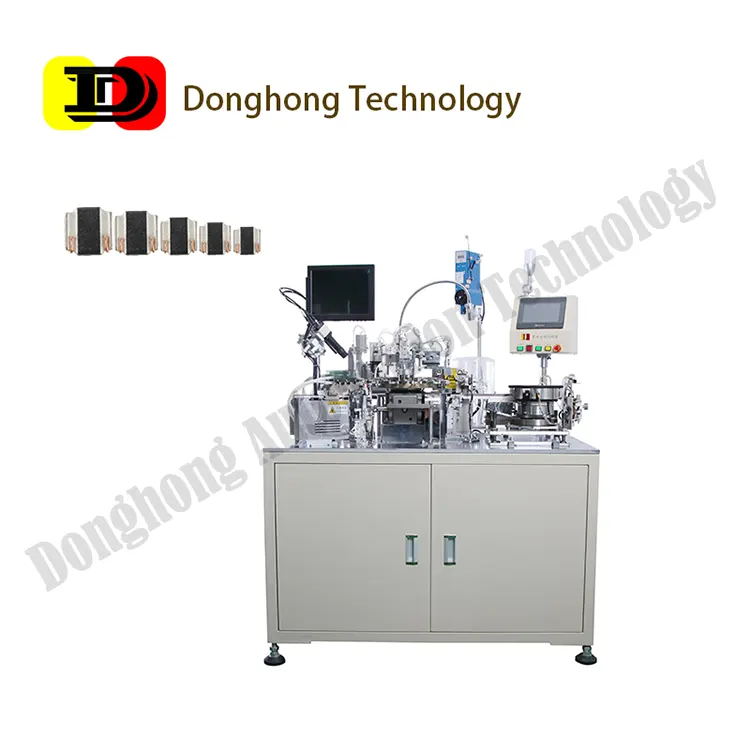
The Automatic NR Inductor Winding Machine has become a core solution for manufacturers aiming to improve productivity while maintaining stable quality. This article explores how this equipment works, what problems it solves, and why it is becoming essential in modern coil production lines. It also provides practical insights into selection, operation, maintenance, and real-world applications to help businesses make informed decisions.
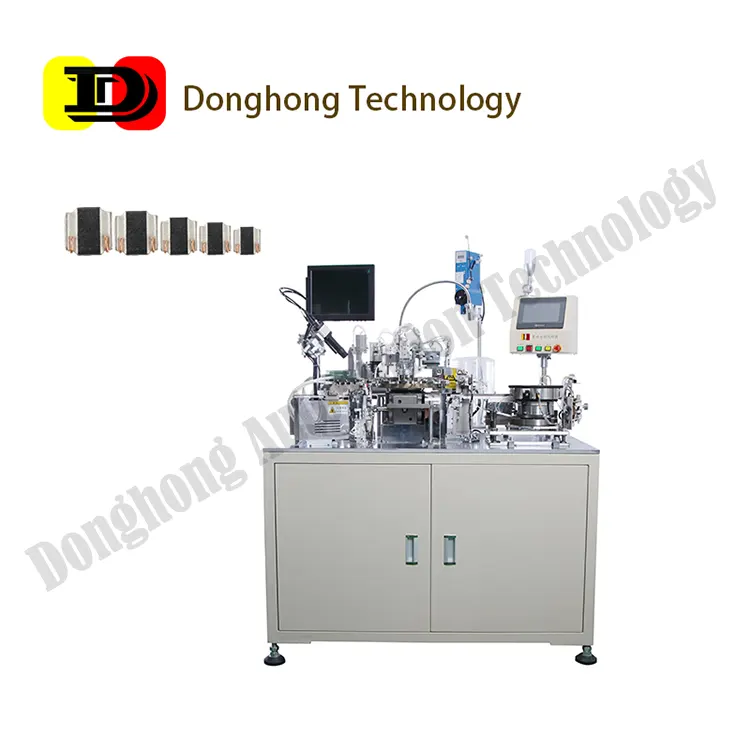
Table of Contents
- Industry Background and Market Demand
- Key Manufacturing Pain Points in NR Inductor Winding
- What is an Automatic NR Inductor Winding Machine?
- How the Machine Works
- Major Advantages Over Manual Production
- Manual vs Automatic Winding Comparison Table
- Industrial Applications
- How to Choose the Right Machine
- Maintenance and Operational Tips
- Common Problems and Solutions
- Future Trends in Inductor Winding Technology
- Frequently Asked Questions (FAQ)
- Contact Information
Industry Background and Market Demand
The electronics manufacturing industry is undergoing a major transformation driven by miniaturization, automation, and energy efficiency requirements. NR inductors play a critical role in power conversion systems, especially in DC-DC converters, automotive electronics, and high-frequency circuits.
As devices become smaller yet more powerful, manufacturers are under pressure to produce inductors with tighter tolerances and higher consistency. Traditional winding methods, which rely heavily on manual labor, are increasingly unable to meet these standards.
Key industry drivers include:
- Growth in electric vehicles and smart automotive systems
- Expansion of 5G communication infrastructure
- Demand for compact and high-efficiency power modules
- Rising labor costs and quality control requirements
Key Manufacturing Pain Points in NR Inductor Winding
Before automation, many manufacturers face serious challenges in coil production:
- Inconsistent winding tension: Leads to unstable electrical performance.
- Low production efficiency: Manual winding is slow and labor-intensive.
- High defect rates: Misalignment and uneven winding reduce yield.
- Worker fatigue: Long working hours affect precision.
- Difficulty scaling production: Limited by human capacity.
These issues not only increase production costs but also affect product reliability in end applications.
What is an Automatic NR Inductor Winding Machine?
An Automatic NR Inductor Winding Machine is a specialized piece of equipment designed to automate the process of winding copper wire onto NR core structures. It replaces manual labor with programmable automation systems that ensure precision, speed, and repeatability.
The machine typically integrates:
- Servo motor control system
- High-precision wire tension control
- Programmable logic controller (PLC)
- Automatic feeding and positioning system
- Defect detection and monitoring system
This integration allows manufacturers to produce large volumes of consistent inductors with minimal human intervention.
How the Machine Works
The working principle of an automatic NR inductor winding machine can be broken down into several stages:
- Core Loading: The NR core is automatically or semi-automatically positioned.
- Wire Feeding: Copper wire is fed through a tension-controlled system.
- Programmable Winding: The servo motor controls precise winding paths.
- Layer Formation: Multiple layers are formed with consistent spacing.
- Cutting and Finishing: Wire is cut and ends are secured automatically.
- Inspection: Some machines include automatic quality checks.
This fully controlled process ensures repeatability and reduces human error significantly.
Major Advantages Over Manual Production
The adoption of automatic winding machines brings significant improvements:
- Higher productivity: Continuous operation increases output.
- Improved consistency: Every coil meets identical standards.
- Reduced labor dependency: Fewer skilled operators required.
- Lower defect rates: Precision control reduces errors.
- Better cost efficiency: Long-term savings outweigh initial investment.
- Scalability: Suitable for mass production environments.
Manual vs Automatic Winding Comparison Table
| Aspect | Manual Winding | Automatic NR Inductor Winding Machine |
|---|---|---|
| Production Speed | Low | High |
| Consistency | Variable | Highly stable |
| Labor Requirement | High | Low |
| Defect Rate | Higher | Very low |
| Scalability | Limited | Excellent |
Industrial Applications
Automatic NR inductor winding machines are widely used in:
- Power supply units
- Electric vehicles (EV power systems)
- Telecommunication base stations
- Industrial automation equipment
- Consumer electronics such as laptops and smartphones
These applications require stable inductance performance, making automated production essential.
How to Choose the Right Machine
When selecting an automatic NR inductor winding machine, consider the following factors:
- Production capacity requirements
- Wire diameter compatibility
- Core size flexibility
- Automation level
- Ease of operation and programming
- After-sales support and technical service
Choosing the right configuration ensures long-term production stability and cost efficiency.
Maintenance and Operational Tips
Proper maintenance is essential to ensure long-term performance:
- Regular cleaning of wire feeding system
- Lubrication of moving mechanical parts
- Periodic calibration of tension control system
- Software updates for control systems
- Routine inspection of winding precision
Common Problems and Solutions
- Wire breakage: Adjust tension settings or check wire quality.
- Uneven winding: Recalibrate servo positioning system.
- Machine error alarms: Restart system and check sensors.
- Low output efficiency: Optimize production parameters.
Future Trends in Inductor Winding Technology
The future of NR inductor manufacturing is moving toward:
- Full AI-based process optimization
- Real-time defect detection using vision systems
- Smart factory integration
- Higher precision micro-winding technology
- Energy-efficient production systems
These innovations will further enhance efficiency and reduce production waste.
Frequently Asked Questions (FAQ)
Q1: What is an Automatic NR Inductor Winding Machine used for?
It is used to automatically wind copper wire onto NR cores to produce inductors with high precision and consistency.
Q2: Can it handle different wire sizes?
Yes, most modern machines support a range of wire diameters depending on configuration.
Q3: Is training required to operate the machine?
Basic training is recommended, but most systems are designed with user-friendly interfaces.
Q4: What is the lifespan of the machine?
With proper maintenance, these machines can operate efficiently for many years.
Q5: Can it integrate into existing production lines?
Yes, most machines are designed for flexible integration into automated manufacturing systems.
Contact Information
As automation continues to reshape the electronics manufacturing industry, investing in advanced winding technology is no longer optional—it is a strategic necessity.
Dongguan Donghong Automation Technology Co., Ltd. specializes in high-precision winding automation solutions, including advanced NR inductor winding systems designed to improve productivity, stability, and manufacturing efficiency.
If you are looking to upgrade your production line or explore customized automation solutions, we welcome you to contact us for professional consultation and technical support. Our engineering team is ready to help you build a more efficient and competitive manufacturing system.